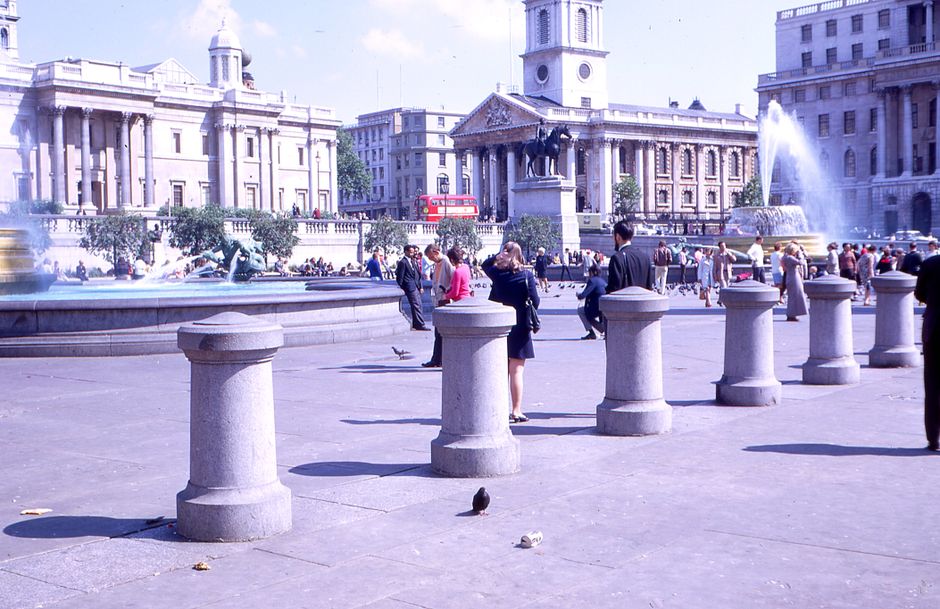
Trafalgar Square Loading Bay Rules -- Fines & Permits
Posted on 06/07/2026
Trafalgar Square Loading Bay Rules -- Fines & Permits
If you are planning a move, delivery, or collection near Trafalgar Square, the loading bay situation can be the difference between a calm handover and an expensive headache. Trafalgar Square Loading Bay Rules -- Fines & Permits matter because the area is tightly managed, vehicle access is limited, and enforcement can be unforgiving if you stop in the wrong place or stay longer than allowed. In practice, that means you need to understand the loading arrangements before the van turns up, not after. This guide breaks the process down in plain English, so you can plan properly, reduce risk, and avoid the sort of fines that make everyone wince.
It also helps to think beyond parking. A smooth loading window affects timing, manpower, access routes, and whether you need extra help for bulky items. If you are already navigating a busy London move, you may also find it useful to read our Strand and Trafalgar Square moving guide and the practical advice in our council permits guide for removals. Different jobs need different planning. That is just the reality.
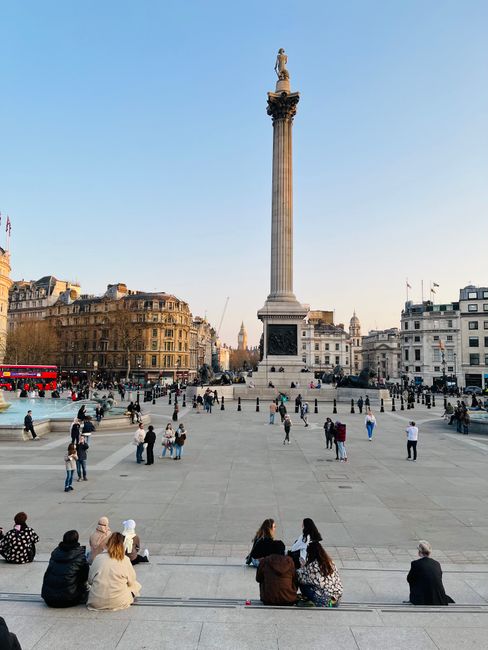
Why Trafalgar Square Loading Bay Rules -- Fines & Permits Matters
Trafalgar Square sits in one of the busiest, most sensitive parts of central London. You are dealing with narrow access, heavy pedestrian flow, tourist traffic, event-related restrictions, and roads that can change character very quickly depending on the time of day. For anyone making a delivery or organising a move, that means the loading bay is not a convenience feature. It is a controlled access point that must be used properly.
The biggest reason this matters is simple: enforcement. If a vehicle stops where it should not, parks too long, blocks a bay without permission, or ignores local conditions, the driver can face a penalty. In a moving day context, that is more than an irritation. It can interrupt the whole job, increase labour costs, and force your team to carry items further than planned. A sofa, a piano, or a stack of boxes suddenly becomes a bigger job than it needed to be. Nobody wants that at 8:30 in the morning with everyone watching.
There is also a reputational angle for businesses. Hotels, offices, retailers, and venues near Trafalgar Square all depend on predictable access. If a van is late, idling in the wrong place, or causing congestion, the knock-on effect can be immediate. Good planning protects your schedule and your stress levels.
Key takeaway: the loading bay is not just a parking spot; it is a time-limited, location-sensitive operating space that needs the right permit, the right vehicle, and the right timing.
And yes, it is a little annoying. But a bit of preparation beats a fine every time.
How Trafalgar Square Loading Bay Rules -- Fines & Permits Works
While exact conditions can vary by street, bay, and time period, the general principle is consistent: loading bays in this part of central London are restricted spaces with local rules on who may stop there, when, and for how long. In many cases, the practical details are tied to the local traffic management arrangements, nearby road layouts, and enforcement priorities.
Here is the plain-English version. Before a vehicle uses a loading bay, you need to check:
- whether the bay is available at the time you need it
- whether a permit or dispensation is required
- how long loading is likely to take
- whether the vehicle size is suitable for the location
- if there are any restrictions linked to events, timed access, or road controls
- whether you need a driver to remain with the vehicle throughout
In busy central London areas, the word "loading" has a specific meaning. It usually refers to active handling of goods, not leaving a vehicle unattended while you wander upstairs to finish a cup of tea or search for keys. If you pause for too long, the vehicle may no longer be seen as loading. That is where people get caught out.
Permits, where required, usually exist to confirm that your vehicle has legitimate access at a specific place and time. Think of them as the paperwork that proves you planned ahead. They are especially useful for removals, trade deliveries, hotel fit-outs, and time-sensitive collections. If your job is complex, the permit becomes part of the job itself, not a side issue.
For larger or awkward items, the practical side matters too. If you are moving heavy furniture, you may want to review our guidance on conquering heavy lifting safely and safer lifting technique. The fewer surprises you have at the kerb, the better.
Key Benefits and Practical Advantages
Getting the loading bay rules right does more than keep you out of trouble. It genuinely improves the move or delivery from start to finish. Here are the main advantages.
- Lower risk of fines: a compliant stop is far less likely to attract enforcement action.
- Faster loading: if the vehicle is positioned legally and sensibly, the team can work without constantly shuffling around.
- Less physical strain: shorter carrying distances reduce fatigue and the chance of damage.
- Better timing: planning the bay window helps align vehicle arrival, lifting help, and building access.
- Less disruption to others: important in a place where pedestrians, taxis, buses, and event traffic can all be in the mix.
- More professional presentation: especially useful for businesses, hotels, and office relocations.
There is also a quieter benefit people often forget: confidence. When everyone knows where the van can stand and for how long, the whole crew works with a bit more calm. You notice it. The handcarts roll better, the boxes move faster, and nobody is standing in the road saying, "Are we sure this is allowed?"
For a larger household move, good loading-bay planning can also pair neatly with organised packing. If you are still boxing things up, our expert packing tips and packing and boxes support can help reduce the chaos before the van arrives.
Who This Is For and When It Makes Sense
This topic is relevant to a wider group than people first assume. It is not just for full house moves. In fact, some of the most common loading bay problems come from smaller jobs where people think they can "just stop for a minute".
You are likely to need Trafalgar Square loading bay planning if you are:
- moving home or flat in the Trafalgar Square / Strand / WC2 area
- delivering furniture or appliances to a nearby property
- relocating office equipment or archives
- supporting a hotel, restaurant, or venue delivery
- collecting bulky items from a storage facility or premises nearby
- moving a valuable item that needs careful handling, such as a piano
It also makes sense if you are short on time. Same-day jobs, last-minute collections, and staggered office moves are exactly when people are tempted to cut corners. That is usually when loading-bay errors happen. If you are in that position, it may help to look at same-day removals in WC2 so you can see how timing and access work together.
Families, students, and flat movers can all benefit too. A single sofa, mattress, or fridge still has to be brought out legally. The size of the job changes the shape of the plan, but not the need for a plan. Truth be told, the smaller jobs are often the ones people treat too casually.
Step-by-Step Guidance
If you want to avoid stress, follow a simple sequence rather than improvising on the day. This is the bit that saves the headache later.
- Confirm the exact address and access point. Do not assume the nearest bay is the right one. Some streets look close on a map but are awkward in practice.
- Check the bay conditions. Look at the loading signs, time restrictions, and any nearby controls. If in doubt, treat the situation as restricted until proven otherwise.
- Decide whether a permit or dispensation is needed. For many central London moves, this is the make-or-break step.
- Estimate loading time realistically. Add a buffer. Traffic, lifts, awkward hallways, and shared access all add minutes.
- Match the vehicle to the job. A van that is too large can create access problems; one that is too small forces extra trips.
- Prepare the item flow. Keep the most urgent items closest to the door. Avoid making the driver wait while you hunt for keys, labels, or bubble wrap.
- Keep a copy of the relevant approval. Even if the arrangement is digital or arranged in advance, have it available on the day.
- Load actively and continuously. If the team is not loading, the stop may no longer be defensible as loading.
- Leave promptly. Once the job is complete, do not linger in the bay.
If your move involves fragile or valuable items, a little extra preparation pays off. For example, a piano move near Trafalgar Square should not be treated like a standard furniture drop-off. Our guide to piano removals in Charing Cross explains why specialist handling matters, and the article on why piano moving experts are essential goes further into the practical risks.
One small but useful habit: take a photo of the bay and the surrounding signage before you start. Not because you expect trouble, but because memory gets fuzzy when everyone is rushing. It happens all the time.
Expert Tips for Better Results
Over the years, the jobs that go well in central London tend to share the same qualities: they are planned early, they keep the paperwork tight, and they respect the area's limitations. Nothing glamorous, just solid habits.
- Book the permit before the day of the move. Last-minute arrangements often lead to compromise, and compromise near Trafalgar Square can be costly.
- Use a loader and a spotter if possible. One person watches the item flow while the other handles the vehicle and surrounding traffic.
- Break the move into short phases. A few well-paced trips are better than one frantic scramble.
- Pre-label everything. If boxes are labelled by room, unloading becomes much smoother and the bay is cleared faster.
- Protect the vehicle and the property. Use blankets, straps, trolleys, and corner protection where needed.
- Plan for weather. A damp morning in central London can make steps slick and box handles soft. Annoying, but real.
A practical observation: jobs near landmark locations often attract more attention than people expect. Pedestrians ask questions, taxi drivers edge around you, and the street does not pause for your move. So keep the team focused and the paperwork tidy. It makes everything feel less exposed.
For more help with the physical side of moving, you may also want our advice on protecting furniture on Georgian staircases and basement flat moves with tight corners. Different access problems, same principle: prepare for the space you actually have.

Common Mistakes to Avoid
Most loading-bay errors are not dramatic. They are small assumptions that snowball. That is the annoying part.
- Assuming any curb space is usable. It often is not.
- Arriving without checking the restriction window. A bay may be available at one time and fully restricted at another.
- Leaving the van unattended for "just a minute." Enforcement does not always share your sense of urgency.
- Underestimating loading time. A lift that is slow, a corridor that is narrow, or a missing key can eat the schedule fast.
- Using the wrong-sized vehicle. Too big causes access trouble, too small means extra trips and more exposure.
- Failing to brief the driver and the team. Everyone should know the plan before arrival.
- Forgetting building restrictions. Sometimes the street access is fine, but the building has its own rules.
Another common one? People assume that because it is "only a small delivery," the rules are looser. Not usually. The bay does not care whether you are moving a sofa or a filing cabinet. The same space still needs to be managed properly.
Tools, Resources and Recommendations
You do not need a complicated toolkit, but a few items make a huge difference:
- Printed or digital permit confirmation for quick reference
- Phone with route notes and contact numbers
- Trolley or sack truck for reducing carry distance
- Removal blankets and straps for safe handling
- Gloves and sensible footwear because the kerbside is not a fashion show
- Labels and tape to speed up unloading
For move planning more broadly, these pages may also help: our services overview if you want to understand the support available, and insurance and safety guidance if you want to reduce risk around heavy or valuable items.
If you are choosing between doing everything yourself and getting help, it is worth being honest about the access situation. A straightforward building is one thing. A restricted central London bay with short windows and a couple of awkward corners is another entirely. That is where professional help starts to make sense.
Law, Compliance, Standards, or Best Practice
When people talk about parking or loading in central London, they often blur together road rules, permit conditions, and building rules. They are related, but not identical.
In practical terms, compliance usually means the following:
- you stop only where permitted
- you observe the posted loading restrictions
- you do not remain in the bay longer than allowed
- you use the space only for genuine loading activity
- you keep vehicle movement and pedestrian safety in mind
- you follow any site-specific instructions from the building or managing agent
Best practice is to treat the bay as part of a controlled logistics plan. That means confirming the vehicle, timing, route, and duration in advance. It also means understanding that central London locations can be operationally different from ordinary residential streets. What works on a quiet estate road can fall apart beside Trafalgar Square, fast.
Where a permit or dispensation is involved, check the conditions carefully. Some approvals are time-bound. Some are specific to a vehicle registration, a loading activity, or a certain section of road. If the details change, the approval may need to change too. It sounds obvious, but people miss this all the time.
If your move is particularly sensitive, like a hotel turnover or a business relocation, the planning standard should be even higher. Our piece on hotel relocations near the Savoy shows how access control and timing can shape the whole operation.
Options, Methods, or Comparison Table
There are usually three ways people handle loading around Trafalgar Square. Some are better than others, depending on the job.
| Approach | Best for | Advantages | Drawbacks |
|---|---|---|---|
| Ad hoc stop with no permit plan | Very small, low-risk jobs elsewhere | Quick to attempt | Highest risk of fines, delays, and disruption |
| Pre-arranged permit or dispensation | Planned deliveries and removals | More predictable, more compliant, easier to schedule | Needs preparation and correct details |
| Professional removal support with access planning | Complex moves, fragile items, tight windows | Better handling, smoother loading, less stress | May cost more upfront, though often cheaper than mistakes |
In most cases, the second or third option is the sensible one. The first can work only if the location, timing, and rules genuinely allow it. That happens less often than people think. If your job involves multiple large items, compare the effort honestly. A few pounds saved on planning can quickly disappear in a fine or an extra trip.
Case Study or Real-World Example
A fairly typical scenario: a two-bedroom flat move from a WC2 address near Trafalgar Square, with a sofa, bed frame, boxes, and a dining table. The client wants the van as close as possible to the entrance because the furniture is bulky and the street is busy. Sounds straightforward. It is not.
The first issue is access timing. The loading bay can only be used within a limited window, and the move has to be timed around the building's lift availability. The second issue is pace. If the team arrives late, the window shrinks. If the boxes are not ready, the loading bay stop becomes less clearly justifiable. If the sofa is awkward to manoeuvre, the carry takes longer. All of that adds up.
In this kind of job, the best outcome usually comes from a simple, disciplined plan:
- confirm the bay rules in advance
- arrive with the van loaded with the easiest items first
- keep one person managing the kerbside
- move the largest items immediately after access is secured
- clear the bay quickly once loading is complete
That sort of approach turns a potentially messy move into a controlled one. Not perfect, maybe. But smooth enough to feel human, and professional enough to avoid drama. Which is really the point.
Practical Checklist
Use this before any job near Trafalgar Square. A quick run-through can save a lot of trouble.
- Confirmed the exact address and loading point
- Checked whether the loading bay is usable at the planned time
- Verified whether a permit, dispensation, or approval is needed
- Matched the vehicle size to the site access
- Estimated loading time with a buffer
- Prepared all items, labels, blankets, and straps
- Briefed the driver and team on the route and timing
- Checked for building-specific access rules
- Kept permission documents ready to show if needed
- Planned a quick exit once loading is complete
Helpful reminder: if anything feels unclear, pause and confirm it before the van is on the road. Five minutes of checking can save you a very expensive afternoon.
When you are preparing a move more broadly, decluttering can make a surprising difference too. Less stuff means less time at the bay and fewer chances for something to go wrong. Our guide to decluttering for a smooth house move is a good place to start.
Conclusion
Trafalgar Square Loading Bay Rules -- Fines & Permits are really about planning, timing, and respect for a tightly controlled part of London. If you understand the bay, secure the right approval, and keep the loading process active and efficient, the whole job becomes easier. If you ignore the rules, the costs can rise quickly and the day can turn needlessly complicated.
The good news is that this is manageable. With the right preparation, you can protect your schedule, avoid fines, and keep the move moving. Simple, really. Not easy every time, but absolutely manageable.
If your move includes awkward access, fragile furniture, or a narrow timetable, a little expert help can make a big difference. And if you are already planning the next step, keep things organised, ask the awkward questions early, and give yourself enough time to do it properly.
Get a free quote today and see how much you can save.
Sometimes the smartest move is just slowing down long enough to get the details right. The rest tends to follow.