Packing & Transit Insurance for Charing Cross Moves
Posted on 10/06/2026

Packing & Transit Insurance for Charing Cross Moves
Moving in and around Charing Cross can feel oddly high-stakes. One minute you're wrapping plates in the kitchen, the next you're wondering whether that awkward mirror, laptop, or dining chair will survive the ride through busy WC2 streets. That is exactly where Packing & Transit Insurance for Charing Cross Moves earns its place. It is not just a box-ticking extra; it is a practical layer of protection that helps reduce stress when belongings are being packed, loaded, carried, and driven away from the one place you know they fit properly.
In this guide, we'll break down what packing and transit cover actually means, how it works in real life, who should consider it, and what to check before moving day. You'll also find a clear comparison table, a hands-on checklist, and a few honest, local-flavoured examples so you can make a sensible decision rather than a rushed one. Let's face it, moving already has enough surprises.
Why Packing & Transit Insurance for Charing Cross Moves Matters
Charing Cross moves often involve tight access, stairs, service lifts, parking limitations, and a lot of stop-start handling. None of that is unusual in central London, but it does mean the risk profile is different from a simple driveway-to-driveway move. Packing and transit cover matters because damage can happen at several points: while items are being wrapped, while they are stacked in the van, during loading and unloading, or even when something shifts after a sharp turn or sudden brake.
People often assume damage only happens when a vehicle is on the road. Not quite. A chipped table leg, crushed corner on a frame, or broken glass can happen in a hallway, on a landing, or while moving bulky pieces through a narrow entrance. If you are using a man and van Charing Cross service or arranging a larger move, insurance helps create a more sensible safety net around the whole process.
There is also the emotional side, which is easy to overlook. A move is already full of admin, keys, inventory lists, and awkward timing. When you know there is some protection in place, the day usually feels less brittle. That matters, honestly. It is easier to breathe when your belongings are not entirely at the mercy of one overpacked box and a wet Tuesday morning.
For anyone comparing removal companies in Charing Cross, insurance is a useful filter. It tells you whether a provider is thinking seriously about risk, packing standards, and accountability, rather than just offering a van and hoping for the best.
How Packing & Transit Insurance for Charing Cross Moves Works
In plain English, packing insurance relates to damage that happens while items are being prepared for the move, while transit insurance relates to loss or damage during the journey and handling at collection and delivery. Some providers bundle these together, while others separate them into different levels of protection. The details matter, because the wording in a policy will decide what is covered and what is not.
Usually, the process works like this: the mover confirms the goods being transported, explains the level of cover available, and sets out any conditions for valuation, packing methods, or declared items. The customer then accepts the terms, often as part of the booking or service agreement. If something is damaged, you would normally need to report it quickly, provide evidence, and follow the provider's claims procedure. That part can feel a bit dry, but it is where good records save a lot of grief later.
A key point: insurance is not a magic shield. It does not replace careful packing, sensible loading, or proper handling. If a vase is loosely wrapped in newspaper and buried under a stack of books, the policy may not help as much as you'd hoped. That is why moving advice and expert packing tips matter so much alongside any cover you buy.
If storage is part of the move, check whether the risk changes once items leave the vehicle. Some moves involve a pause between properties, and you may need separate thinking for temporary holding. It is worth reviewing storage options in Charing Cross if your timeline is not straightforward.
Key Benefits and Practical Advantages
The biggest benefit is obvious: financial protection. If something valuable is damaged, lost, or accidentally crushed in transit, proper cover can reduce the cost to you. But there are other advantages that are just as useful on moving day.
- Better planning: Insurance encourages a more disciplined inventory, which often leads to better packing and fewer surprises.
- Clear responsibility: You know what the mover is responsible for and what you need to declare.
- Peace of mind: That slightly nervous feeling when the van door closes becomes a bit more manageable.
- Protection for awkward items: Mirrors, TVs, artwork, glass shelving, and musical instruments deserve special attention.
- Reduced dispute risk: Clear cover terms can make claims conversations more straightforward if the worst happens.
There is also a practical benefit for landlords, tenants, and businesses. If you're moving out of a flat, a workspace, or a serviced property in central London, you may already be juggling deadlines and handover expectations. A well-structured policy can help keep the move tidy from a liability point of view, which is one less thing to chase at 9pm after a long day of lifting boxes. Not glamorous, but useful.
For larger furniture, specialist handling and insurance often go hand in hand. If you are moving wardrobes, dining sets, or awkward larger pieces, services like furniture removals in Charing Cross are worth considering because the packing, handling, and transport approach should be built for those heavier items from the start.
Who This Is For and When It Makes Sense
Honestly, most people moving in Charing Cross should at least think about packing and transit insurance. But some moves need it more than others.
- People moving high-value items: Artwork, electronics, antiques, designer furniture, and instruments usually justify stronger cover.
- Tenants under time pressure: If you are doing a same-day exit and entry, there is less room for careful unhurried handling.
- Students: A smaller move can still involve laptops, monitors, bikes, and sentimental items that are hard to replace. Student removals in Charing Cross often benefit from simple, sensible protection.
- Office movers: Businesses often carry equipment and documents that may have operational impact if damaged. Consider this especially for shared workspaces and time-sensitive relocations.
- Families with bulky furniture: Bigger loads simply create more opportunities for knocks and scrapes.
- Anyone with a difficult access route: Narrow staircases, basement flats, and lift restrictions can increase handling risk.
There are times when you may decide lighter cover is enough, especially for low-value, replaceable items. But if you would genuinely feel annoyed or out of pocket after an accidental breakage, that is usually your cue to take the cover seriously. A good rule of thumb: if you would not happily replace it tomorrow, protect it today.
For people moving from compact flats in the West End or around the Strand, access can be the bigger challenge than the mileage. In those cases, a slower, more careful service model is often better than trying to rush everything. That is why flat removals in Charing Cross can be a sensible fit for many local moves.
Step-by-Step Guidance
Here is a practical way to approach packing and transit cover without overcomplicating it.
- Make a room-by-room inventory. Write down the items that matter most, especially anything fragile, expensive, or hard to replace.
- Separate the essentials from the rest. Keep documents, medication, chargers, and a change of clothes with you rather than in the van.
- Ask what is already included. Some providers include basic protection, while others offer a higher tier. Do not assume.
- Check how items must be packed. Some cover depends on proper wrapping, double boxing, or professional packing.
- Confirm any exclusions. Look for wording around jewellery, cash, fragile items, loose goods, and pre-existing damage.
- Declare special items early. Pianos, glass furniture, and unusually heavy pieces should never be a last-minute surprise.
- Keep photos before the move. A few clear pictures of condition and packing quality can be very helpful if a claim is needed.
- Get the paperwork straight. Save booking confirmations, policy notes, and any written packing instructions.
- Inspect on arrival. Check items as they come off the vehicle, not three days later when memory gets fuzzy.
If your move involves a heavier or specialist item, the handling method matters even more. For example, a piano should not be treated like a standard boxy dresser with a bit of extra enthusiasm. You may want to review piano removals in Charing Cross and, for a deeper sense of why expertise matters, why expert piano moving is so important.
Expert Tips for Better Results
In our experience, the best move insurance outcomes come from boringly good preparation. That's not a criticism. Boring is good here.
- Use proper packing materials: Sturdy boxes, strong tape, wrapping paper, blankets, and corner protection all reduce handling risk.
- Don't overfill boxes: A box that is too heavy is more likely to split, drop, or crush lower items.
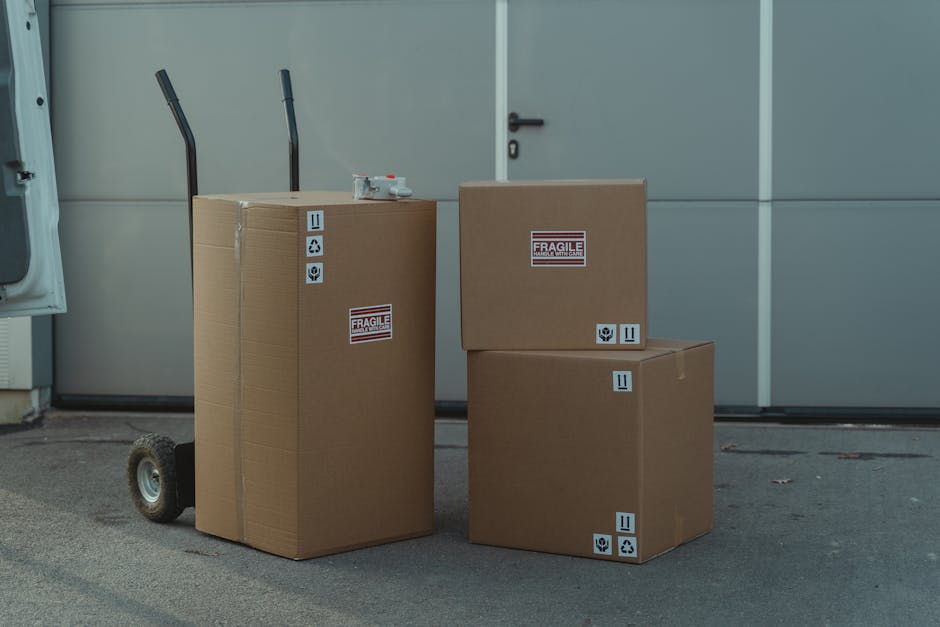
- Label fragile items clearly: Labels are not a guarantee, but they do help everyone move with more care.
- Keep an item list for valuables: It does not need to be fancy. A phone note is better than nothing.
- Tell the mover about access problems early: Tight stairs, no parking, and lift restrictions should be known before the van arrives.
- Use specialist packing for delicate goods: Glass, ceramics, electronics, and artwork need a different standard from everyday kitchen bits.
If you are doing some packing yourself, it helps to follow a calm order rather than a frantic one. Start with non-essentials, then build towards the items you use daily. If you have a free afternoon and a stack of empty boxes in the corner, that is the moment to move carefully, not speed up. One small mistake early on can echo through the rest of the move.
And if you are clearing out unwanted items before the move, decluttering can actually lower your exposure and make the insurance side simpler. Fewer items mean fewer things to catalogue, wrap, and worry about. A practical read on that is practical decluttering techniques for a smoother house move.
Common Mistakes to Avoid
Most problems with packing and transit insurance come down to misunderstandings, not bad intentions. Still, they can be expensive misunderstandings.
- Assuming every item is automatically covered: Read the exclusions, even if they are a bit dull.
- Failing to declare high-value belongings: If a mover does not know about them, the policy may not respond as you expect.
- Poor packing by the customer: Loose lids, thin boxes, and unprotected glass can weaken a claim.
- Not photographing items before collection: Without evidence, it becomes your word against someone else's memory.
- Leaving claims too late: Delays can make it harder to prove what happened and when.
- Choosing the cheapest option without reading the terms: Cheap is great until it isn't. A classic moving-day trap.
A smaller but common mistake is forgetting to ask what happens if the move is split over more than one trip. Multi-stop routes, last-minute storage, or same-day changes can affect how risk is treated. If that sounds familiar, take a moment to check a service's policy wording before you commit. It may save you a headache later.
For moves that need speed, people sometimes grab the first available van. If that is your situation, a quick look at urgent same-day removals in WC2 can help you think through the trade-off between urgency and protection.
Tools, Resources and Recommendations
You do not need specialist insurance software to manage a decent move. But a few simple tools make a real difference.
- Inventory sheet: A spreadsheet, notes app, or printed list for item tracking.
- Phone camera: Use it for pre-move photos, box condition, and anything already marked or worn.
- Label maker or thick marker: Clear labels help with both handling and unpacking.
- Strong boxes and inserts: Especially useful for kitchenware and electronics.
- Packing blankets and padding: Great for furniture corners and polished surfaces.
- Copies of key documents: Booking details, policy notes, inventories, and any special instructions.
There are also a few service pages that can support a better overall move experience. If you are still comparing move styles, the services overview is a useful place to understand what's available. For pricing questions, pricing and quotes helps set expectations before you decide. And if you want to understand the provider's broader approach to safety and risk, insurance and safety is a sensible read.
It is also worth checking the practical sides of security and payments before the day arrives. Small details, but they matter when you are already juggling keys, boxes, and a slightly suspiciously heavy suitcase.
Law, Compliance, Standards, or Best Practice
Insurance and removals in the UK sit within a wider framework of consumer expectations, contract terms, and basic duty of care. You do not need to become a legal expert to move house, thankfully, but you should understand the basics.
First, any service agreement should be clear about what is covered, what is excluded, and how claims are handled. That clarity matters more than fancy wording. Second, there is a distinction between damage caused by poor packing, damage caused during transit, and damage caused by handling. A good provider should explain the difference in plain English. If they cannot, that is a yellow flag.
Best practice usually means:
- clear booking terms and written confirmation
- transparent declarations for high-value or fragile goods
- appropriate packing standards for the item type
- documented condition checks before and after transit
- a straightforward complaints or claims route if something goes wrong
You may also want to check the provider's policy pages for general trust signals such as terms and conditions, health and safety policy, and the complaints procedure. Those pages do not tell you everything, but they do show whether the company takes the moving process seriously.
For customer data and online booking details, it is also sensible to review privacy policy and payment and security. It sounds dry, yes, but it is part of a professional setup, and peace of mind tends to come from the dull stuff being in order.
Options, Methods, or Comparison Table
Not every move needs the same level of cover. The right choice depends on what you are moving, how it is packed, and how much risk you are willing to carry yourself. This quick comparison can help.
| Option | Best For | Strengths | Limitations |
|---|---|---|---|
| Basic cover | Small, low-value moves with minimal fragile items | Simple, usually cheaper, fine for straightforward jobs | May exclude fragile items, limited valuation, tighter conditions |
| Packing cover | Moves where the mover packs some or all of the items | Useful when the service includes professional wrapping and boxing | Can depend on the mover packing everything to a required standard |
| Transit cover | Journeys with valuable items or longer handling chains | Protects against road and loading-related incidents | May not cover items damaged before loading or by poor packing |
| Specialist item cover | Pianos, antiques, artwork, large electronics, fragile furniture | More appropriate for high-risk goods and awkward handling | Often needs declaration and may carry stricter conditions |
If you are unsure which approach fits, ask yourself a simple question: would I be comfortable replacing this item myself if it went wrong? If the answer is no, the stronger option is usually the safer one. This is especially true for unique or expensive pieces. For instance, musical instruments should never be treated casually; specialist handling and cover are far more sensible, which is why expert piano moving is such a common recommendation.
Case Study or Real-World Example
A couple moving from a third-floor flat near the Strand to a nearby address in Charing Cross had a fairly typical problem: they owned a mixture of fragile kitchenware, a wall mirror, a heavy coffee table, and a slim but expensive television. Nothing outrageous, but enough to make everyone slightly cautious.
They initially planned to pack everything themselves. After a quick conversation, they split the move into two categories: everyday items they could box carefully at home, and fragile or awkward items that needed extra wrapping and clearer declaration. They photographed the mirror, labelled the TV box, and asked for written confirmation of the cover level before the move. Simple steps, really.
On the day, the van arrived after a minor parking shuffle, and the hallway was tighter than expected. The packing discipline paid off. Items were easier to stack, the mirror stayed upright and padded, and the coffee table was wrapped before being carried down the stairs. No drama, which is usually the best sign of a good move. One small knock did happen to a box corner, but because the packaging and inventory were clear, there was no confusion about responsibility.
The lesson? Insurance helps, but preparation does most of the heavy lifting. A neat inventory, careful wrapping, and good communication reduce the likelihood that you will ever need to use the policy at all. That's the bit people don't say enough.
Practical Checklist
Use this before moving day. It keeps things grounded.
- Make a list of all valuable, fragile, and specialist items.
- Ask what packing and transit cover is included.
- Read exclusions and conditions carefully.
- Declare high-value items in writing.
- Take photos of items before they are packed.
- Use strong boxes, padding, and tape.
- Do not overload boxes.
- Keep essentials with you personally.
- Confirm the mover understands access issues.
- Check items immediately on delivery.
- Keep all paperwork and move records together.
- Report damage promptly if something is wrong.
Expert summary: The best packing and transit insurance is the one you understand before moving day, not the one you discover after something has already gone wrong.
If you want a smoother start to the move itself, a little preparation goes a long way. Helpful packing materials, good labelling, and the right service choice can make the whole experience feel far less chaotic. For many people, that is the real value: not perfection, just less friction.
Conclusion
Packing & Transit Insurance for Charing Cross Moves is about more than formal protection. It is about reducing risk in a part of London where tight access, busy streets, and awkward handling points are part of everyday moving life. When you combine the right cover with careful packing, clear communication, and sensible planning, the whole process becomes more manageable and a lot less stressful.
Whether you are moving a single flat, a family home, a student room, or a business space, the best approach is to match your insurance to the value and vulnerability of what you're moving. That way, you're not overpaying for peace of mind you do not need, and you are not under-protecting the things that actually matter.
Get a free quote today and see how much you can save.
And if you're standing in the middle of a half-packed room right now, don't panic. Take it one box at a time. That's usually enough.