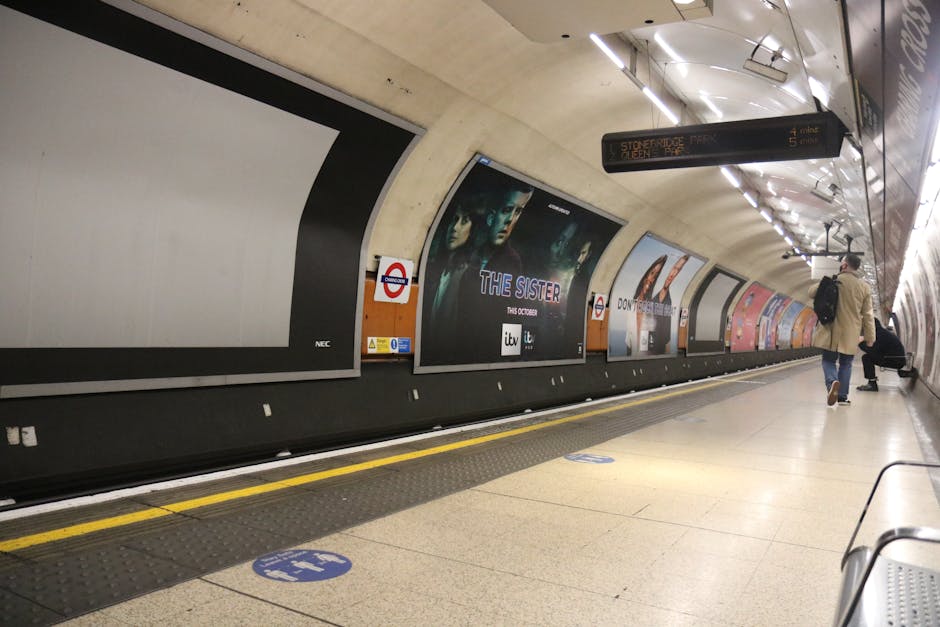
Hotel Relocations Near The Savoy -- Charing Cross
Posted on 15/05/2026
Hotel Relocations Near The Savoy -- Charing Cross: a practical guide for smooth, discreet moves
Moving hotel furniture, guest-room contents, or back-of-house equipment near The Savoy is not a normal everyday move. The streets are busy, access can be tight, and timing matters more than most people expect. Add in guest expectations, building rules, and the need to keep disruption low, and you quickly see why Hotel Relocations Near The Savoy -- Charing Cross needs a proper plan rather than a hopeful last-minute dash.
This guide breaks the process down in plain English. You'll see how hotel relocations work in this part of central London, what to think about before moving day, where delays usually happen, and which services are genuinely useful. If you are comparing options, planning a refurbishment, or simply trying to move hotel items without upsetting operations, this should help. Truth be told, a calm move near Charing Cross usually comes down to three things: timing, preparation, and the right team.

Why Hotel Relocations Near The Savoy -- Charing Cross Matters
Hotels in this part of London operate under a very particular kind of pressure. You are close to theatres, embankment traffic, mainline stations, footfall from the Strand, and a constant flow of taxis, deliveries, and pedestrians. That means hotel relocation work has to be coordinated carefully, especially if it involves a landmark-heavy area near The Savoy and Charing Cross.
Why does that matter so much? Because hotel moves are rarely just about shifting beds and wardrobes. They often include mattresses, mirrors, minibars, safes, office furniture, linen stock, artwork, reception equipment, and occasionally more delicate items like pianos or heavy decorative pieces. A quiet service lift and a narrow corridor can change the whole moving plan in seconds.
In our experience, the biggest issue is not the lifting itself. It is the knock-on effect. A delayed lift booking can interrupt housekeeping. A badly timed van arrival can clash with guest check-in. A bulky item that was not measured properly can end up stuck on a landing with everyone staring at it. Not ideal, obviously.
This is where a structured hotel relocation approach pays off. It helps protect the guest experience, keeps staff under less pressure, and reduces the chance of damage to fixtures, fittings, or items in storage. If you are also dealing with furniture movements inside the hotel, it may help to look at furniture removals in Charing Cross and the wider removal services available locally.
How Hotel Relocations Near The Savoy -- Charing Cross Works
At a practical level, hotel relocation is a controlled sequence of tasks. The best moves are planned as a project, not treated like a single loading job. That usually means a site survey, access planning, protective packing, lift management, timed arrivals, and a clear handover at the destination or storage point.
For hotel moves near Charing Cross, the process often begins with a walkthrough. Someone checks room types, item sizes, access routes, stair widths, lift dimensions, loading restrictions, and any time windows set by the building or local conditions. It sounds basic, but it prevents the classic mistake of turning up with the wrong vehicle or the wrong kit.
Next comes sorting. Hotel relocations commonly separate items into groups:
- guest-room furniture and soft furnishings
- front-of-house pieces such as desks, chairs, and decorative items
- back-of-house stock, archives, and office materials
- specialist items that need extra care
- items heading to storage, recycling, or disposal
That segregation matters because not everything should be treated the same way. For example, a dining chair and a grand piano do not belong in the same moving category. If a piano is involved, specialist handling is the safer route; see piano removals in Charing Cross and the related guidance on why expert piano moving is essential.
Then comes packing and protection. High-quality wrapping, corner guards, mattress covers, and sturdy cartons reduce wear and tear. For a move that has to happen around hotel operations, this is not a luxury. It is the difference between a tidy transfer and a stream of avoidable repairs. If you want a more detailed packing approach, the advice in expert packing tips for moving day is genuinely useful.
Key Benefits and Practical Advantages
There are plenty of reasons hotels and hospitality managers prefer a professional, structured relocation plan in central London. Some are obvious. Some only become obvious after one move has gone slightly sideways.
1. Less disruption for guests and staff
When a move is scheduled well, you can keep noisy handling, corridor obstruction, and lobby traffic to a minimum. That matters near The Savoy, where first impressions are part of the business.
2. Better protection for furniture and finishes
Hotel furniture often has to look good under harsh light and close scrutiny. Scratches, scuffs, chipped veneer, and ripped upholstery can become expensive very quickly. If you are relocating sofas or lounge seating, see sofa storage techniques that help preserve and protect furnishings.
3. Faster turnaround
For refurbishments, rebranding, or room refreshes, speed matters. The right plan can shorten downtime and help teams reopen spaces sooner. That is especially helpful when a hotel is balancing bookings, housekeeping, and maintenance at the same time.
4. Safer handling of heavy or awkward items
Hotels have plenty of awkward items: king-size mattresses, marble tables, banqueting chairs, mini-fridges, and large mirrors. Proper lifting technique and equipment reduce injury risk. A useful primer is the principles and practice of kinetic lifting, alongside practical advice on heavy lifting without assistance.
5. Better control over storage and staging
Not every item is going straight into a finished room. Some pieces will need temporary storage while work is completed. That is where storage in Charing Cross can be a sensible part of the plan.
Expert summary: the strongest hotel moves are rarely the fastest-looking ones at the start. They are the ones where measurement, sequencing, and access are thought through early. A calm move is usually a well-prepared one.
Who This Is For and When It Makes Sense
Hotel relocations near The Savoy are not only for full closures or major refurbishments. In practice, they suit a lot of different situations.
- Independent hotels updating rooms, furniture, or reception areas
- Hospitality groups coordinating phased refurbishments
- Short-stay operators moving furniture between sites
- Facilities teams replacing worn items or staging rooms
- Office managers handling admin, archives, and back-of-house equipment
- Event or banqueting teams shifting equipment around tight schedules
It also makes sense when the move is small but the environment is difficult. A single awkward corridor, a strict time window, or a room with limited lift access can justify professional help. You do not need a huge relocation to benefit from a good plan. Sometimes the "simple" jobs are the ones that bite.
If your team is juggling guest service and moving work at the same time, a local man and van service in Charing Cross can be a practical option for smaller loads, while larger or more structured jobs may need a more complete package such as house removals in Charing Cross adapted for commercial use. For broader planning, the services overview is a useful starting point.
Step-by-Step Guidance
If you want the move to feel controlled rather than chaotic, work through it in stages. Here is a simple, realistic approach.
- Define the scope. List every item or category of item being moved. Include furniture, soft furnishings, office contents, and anything going into storage.
- Check access early. Measure lifts, doors, stairwells, and loading points. Near Charing Cross, small access surprises can become big delays.
- Choose the right moving window. Hotel work often has to fit around occupancy, deliveries, and quieter periods. Early morning or low-traffic windows can reduce disruption.
- Prepare packing materials. Use proper cartons, protective wrap, labels, and covers. If you need reliable supplies, see packing and boxes in Charing Cross.
- Label by room or zone. Keep front-of-house, housekeeping, and back-of-house items separated. A label system saves real time later.
- Protect routes. Floor coverings, corner protection, and lift padding help prevent damage in shared areas.
- Load in sequence. Heavy, stable items first; fragile or high-value pieces secured carefully. Don't just fill the van randomly.
- Confirm destination setup. Make sure the receiving rooms or storage space are ready before the vehicle arrives.
- Do a final walk-through. Check for missed items, leftover fixings, and damage before sign-off.
A small but important detail: keep one person responsible for decision-making on the day. Without that, everyone ends up asking everyone else, and the morning becomes a bit wobbly. Happens all the time.
For larger or multi-stop jobs, it may help to read how to transition smoothly through a move without worry, because the same planning logic works very well in hospitality moves too.
Expert Tips for Better Results
These are the practical points that tend to make the biggest difference, especially in central London where time and space are both precious.
- Measure twice, move once. It sounds obvious, but it saves more trouble than almost anything else.
- Book access with buffers. A ten-minute delay can turn into forty if the loading area is shared or busy.
- Use photo records. Take pictures of high-value items before the move. It helps with condition checks and handovers.
- Keep a clear "do not move" list. Hotel teams sometimes overlook items that must stay live for operations.
- Use the right crew for the right item. Mattresses, antique pieces, and electrical equipment each need different handling.
- Plan for recycling and disposal. Not everything should be moved twice. Some things are better sent for responsible recycling. See recycling and sustainability guidance for a sensible approach.
- Keep snacks, water, and a contact list handy. It's not glamorous, but people move better when they are not running on fumes by 2 p.m.
One more thing: if your move involves tight physical handling or repeated lifting, use proper technique rather than improvising. The guide on kinetic lifting is worth a read, and the piece on lifting without assistance adds a practical angle.

Common Mistakes to Avoid
Some hotel relocations go wrong because of one major error. Others go wrong because of five small ones stacked together. Here are the repeat offenders.
- Underestimating access problems. The route looked fine in theory, but not after you meet a service corridor full of housekeeping trolleys.
- Ignoring item size and weight. A bed base, mattress, or bar unit can be more awkward than it first appears. For beds in particular, see strategies for relocating your bed and mattress.
- Poor labelling. If everything is just marked "office" or "furniture," reassembly becomes guesswork.
- Leaving packing too late. Last-minute packing tends to create damage, missing parts, and a lot of unnecessary stress.
- Forgetting cleaning and handover requirements. Hotels and leases often expect spaces to be left in a specific condition. For move-out transitions, move-out cleaning guidance is useful even for commercial spaces.
- Using the wrong vehicle size. Too small means extra trips. Too large can create access headaches. Not exactly thrilling either way.
Also, don't forget decluttering. If an item is worn out, duplicated, or no longer fit for purpose, moving it may just move the problem. The article on decluttering for a smooth move has a surprisingly good framework for deciding what stays and what goes.
Tools, Resources and Recommendations
The right tools do not make a bad plan good, but they do make a good plan work better. For hotel relocations near The Savoy area, these are often the most useful resources:
- Furniture blankets and wraps for wood, metal, and upholstered items
- Mattress bags and sofa covers for hygiene and protection
- Labels and room-by-room inventory sheets for tracking
- Hand trolleys, sack trucks, and dollies for safe movement
- Corner guards and floor protection for corridors and lobbies
- Straps and securing equipment to stop load shift in transit
- Temporary storage for phased refurbishments or overflow stock
For larger or mixed-content jobs, a removal van in Charing Cross gives you flexibility, while a dedicated removals service can be better when you need coordination and heavier support. If you need a broader supplier view, the page on removal companies in Charing Cross can help with comparison.
And if the move is urgent, same-day removals in Charing Cross may be relevant, although in a hotel setting it is still wise to confirm access and timings first. Same-day sounds convenient. It is. But only when the route, crew, and packing are already under control.
Law, Compliance, Standards, or Best Practice
Hotel relocations often touch on safety, access, insurance, waste handling, and building management rules. The exact requirements vary depending on the site and what is being moved, so it is best to treat compliance as a live part of the project rather than an afterthought.
At a minimum, good practice normally includes:
- clear risk assessment before heavy lifting or awkward manoeuvres
- safe manual handling procedures for staff and contractors
- appropriate insurance cover for goods in transit and site activity
- careful treatment of shared areas to avoid damage claims
- proper disposal or recycling of unwanted items
- respect for building access rules, loading restrictions, and neighbour considerations
If you are comparing providers, it is worth checking the detail on insurance and safety, along with the site's health and safety policy. Those pages help set expectations, even if your own project has extra layers of complexity.
You may also want to review practical business information such as pricing and quotes, terms and conditions, and the company's payment and security information. For many managers, that paperwork is not the exciting part. Still, it avoids headaches later.
Options, Methods, or Comparison Table
Not every hotel relocation needs the same type of support. The right option depends on size, timing, and how much coordination you want to outsource.
| Method | Best for | Strengths | Limitations |
|---|---|---|---|
| Self-managed internal move | Very small, low-risk room moves | Low direct cost, complete control | Higher staff burden, more risk of delays or damage |
| Man and van support | Smaller loads, short transfers, staged movement | Flexible, efficient, good for local jobs | Less suitable for complex, multi-team relocations |
| Full removal service | Multi-room, heavy, or time-sensitive hotel moves | More coordination, better protection, easier planning | Usually requires more advance booking |
| Storage-led phased move | Refurbishments, delayed fit-outs, overflow stock | Useful for staged projects and temporary downtime | Needs clear inventory and access planning |
For a hotel near The Savoy, a phased move is often the sweet spot. It lets teams keep parts of the property live while other areas are refreshed. If you are unsure which route fits, start with the project size and ask how quickly the hotel needs rooms, stock, or public spaces back in service.
Case Study or Real-World Example
Here is a realistic example based on the kind of job central London hotels often face.
A boutique hotel near Charing Cross needs to refresh several guest rooms and replace reception furniture without closing the whole property. The plan is split into two parts: back-of-house stock moves into temporary storage, while room furniture is removed in short windows between occupancy cycles. The team measures the lift, books a loading window early in the day, and labels each item by floor and room number. Mattresses are wrapped, mirrors are protected, and one person is assigned to sign off the inventory.
The first day still feels busy - it always does - but the operation stays controlled because the moving team already knows the route, the access points, and the order of work. There is no scramble at the end to find a missing chair leg or the last box of lampshades. The hotel stays open, the refurb continues, and staff are not left firefighting all afternoon.
That kind of result is not magic. It is usually just careful preparation, sensible sequencing, and decent communication. A bit boring, maybe. Very effective, though.
Practical Checklist
Use this before booking or on the run-up to moving day.
- Confirm exactly which items are being moved
- Measure doorways, lifts, stairwells, and loading areas
- Check building access rules and time restrictions
- Separate fragile, heavy, and high-value items
- Prepare labels for each room, department, or destination
- Organise packing materials and protective covers
- Decide what goes to storage, recycling, or disposal
- Assign one contact person for the move
- Verify insurance and safety arrangements
- Make sure the destination space is ready before arrival
- Keep cleaning, handover, and sign-off tasks in the plan
If you want to tighten the whole process before the first box is lifted, the guide on moving smoothly without worry and the page on expert packing tips are both worth bookmarking.
Conclusion
Hotel relocations near The Savoy and Charing Cross work best when they are treated as carefully managed operations, not just transport jobs. The local environment is busy, the access can be tricky, and hotel schedules leave very little room for error. But with proper planning, the right equipment, and a clear process, the move becomes manageable - even calm, which is probably what everybody wants at the end of the day.
Whether you are moving a few key pieces, staging a refurbishment, or coordinating a larger hospitality shift, focus on the basics: measure early, label properly, protect every surface, and keep communication simple. Those small decisions save time, money, and nerves.
Get a free quote today and see how much you can save.
And if you are still mapping out the next step, start with the details. The smoother the preparation, the easier the move feels on the day.