Protecting Furniture on Georgian Staircases in Charing Cross
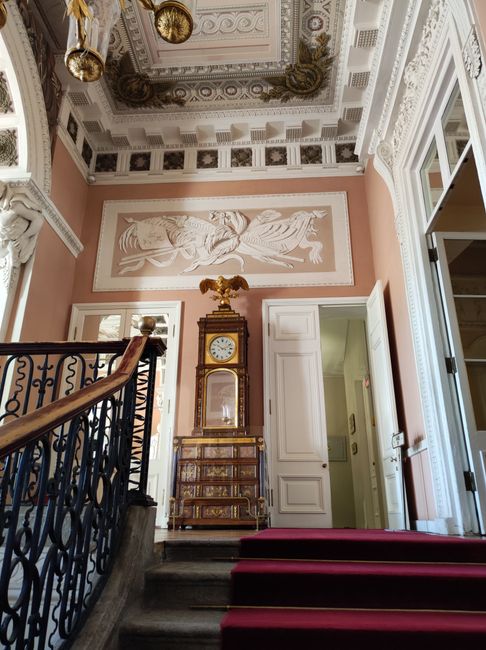
Moving furniture through a Georgian staircase is one of those jobs that looks simple until you meet the first tight turn, the rail that sits just too close to the wall, and the landing that seems a touch narrower than you remembered. In Charing Cross, where period buildings often combine character with awkward access, protecting furniture on Georgian staircases is not just about wrapping corners and hoping for the best. It is about planning the route, understanding the building, and using the right methods so the furniture arrives intact and the staircase stays marked only by footsteps, not damage.
This guide breaks down what actually works in real moving conditions. You will find practical advice on preparing furniture, protecting bannisters and walls, choosing lifting methods, avoiding common mistakes, and deciding when a move is simply better handled by experienced professionals. If you are relocating a sofa, wardrobe, bed frame, piano, or a much-loved sideboard, the aim is the same: get it down the stairs safely, without drama. Easier said than done, of course, but absolutely doable with the right approach.
Why Protecting Furniture on Georgian Staircases in Charing Cross Matters
Georgian staircases are beautiful, but they are not forgiving. They were designed for elegance and flow, not for getting a bulky three-seater sofa around a tight half-landing at 8:15 in the morning while someone is asking if the plaster can be kept pristine. The staircase geometry, the shallow tread depth, the turned balusters, and the often delicate finishes all create risk. One wrong pivot and you are dealing with scuffed paint, chipped wood, strained hands, or furniture that has taken a knock before it even reaches the van.
In Charing Cross, the pressure is often a bit higher because access can be shared, time-limited, or simply awkward. Some staircases have narrow walls and awkward corners; others have original timber details that deserve more care than a standard modern hallway. Add in heavy furniture and you have a situation where poor technique can lead to expensive damage on both sides. That is why protecting furniture on Georgian staircases is really about protecting the whole move.
There is also a trust issue. If you are a tenant, you may need to return the property in good condition. If you are a homeowner, you may want to preserve original features. If you are moving a business, there may be deadline pressure and insurance considerations. In all of those cases, taking extra care is not overcautious. It is common sense.
Expert summary: The best protection plan is not just wrapping furniture well. It combines route planning, body-safe lifting, staircase protection, and the judgement to stop and reset before damage happens.
For moves involving valuable or unusually shaped items, it can help to read about the practical side of specialised handling too. For example, the advice in why hiring experts for piano moving is essential is useful far beyond pianos, because the same principles apply: weight distribution, careful manoeuvring, and knowing when a job needs specialist handling.
How Protecting Furniture on Georgian Staircases in Charing Cross Works
The process works best when you treat the staircase and the furniture as one connected system. Most damage happens at the transitions: turning at the landing, tilting through a narrow gap, or adjusting grip after the first lift becomes awkward. Protection is therefore part physical and part strategic.
1) Measure before anything moves
Measure the widest and narrowest points of the staircase, including the banister line, the newel post, the landing turn, and the doorway at the top or bottom. Then measure the furniture in its most difficult orientation, not just its neatest footprint. A wardrobe that seems fine standing upright may become impossible once it must tilt around a curve. That tiny difference matters more than people think.
2) Remove what can be removed
Take off detachable legs, cushions, glass shelves, handles, and loose doors where possible. This reduces bulk and prevents snagging on stair edges. Keep fittings in labelled bags so nothing disappears into the mystery zone that seems to exist in every moving day. If you are relocating a bed, the guidance in efficient strategies for relocating your bed and mattress can help you break the job into cleaner, safer parts.
3) Wrap the furniture properly
Use padded blankets, corner protectors, stretch wrap where suitable, and tape that will not leave residue on delicate finishes. The aim is to soften contact points, not suffocate the item. Over-wrapping can make furniture bulkier and harder to steer, which is a classic mistake.
4) Protect the staircase itself
Blankets, cardboard edge guards, floor runners, and bannister padding all help reduce impact. Georgian timber is especially vulnerable at corners and rail ends, where repeated bumps leave visible marks. Even a small scratch can be noticeable in older paintwork or polished wood.
5) Move with a controlled pivot, not brute force
The safest method is usually slow and deliberate. One person leads, one supports the rear, and both adjust the angle before the object hits the tightest point. You are aiming for controlled momentum, not speed. If you want a better understanding of body mechanics in tight spaces, the article on kinetic lifting principles is a useful companion read. It explains why posture, balance, and timing matter so much in awkward lifts.
Key Benefits and Practical Advantages
The obvious benefit is damage reduction. But there are several others, and they matter just as much in a real move.
- Fewer repairs: Good protection reduces the chance of repainting walls, repairing bannisters, or fixing furniture edges after the move.
- Less stress: When the staircase is protected and the route is mapped, the whole team moves with more confidence.
- Better timing: A calm, planned move tends to finish faster than a chaotic one, even though it may look slower at the start.
- Lower risk of injury: Narrow Georgian staircases can force bad lifting positions. Reducing strain is a proper benefit, not a bonus.
- Cleaner handover: Particularly for rentals and managed buildings, leaving the staircase unmarked avoids awkward conversations later.
There is a nice knock-on effect too: once you start planning protection properly, the rest of the move often improves. Packing becomes more thoughtful, furniture is dismantled earlier, and the van load becomes easier to organise. That is why people who prepare well often feel the day was less painful than they expected. Not easy. Just less messy.
If the move involves storage or staged relocation, you can also borrow ideas from expert sofa storage techniques because the same protective thinking applies: fabric, wood, and fittings all need the right environment and the right wrap.
Who This Is For and When It Makes Sense
This approach is useful for anyone moving through older Charing Cross properties, but it is especially relevant in a few common situations.
- Tenants in period flats: You may need to preserve walls, bannisters, and stair paint to avoid deductions or disputes later.
- Homeowners with original features: Georgian staircases are part of the property's character, and once damage is done, it can be expensive to match finishes.
- Office or hospitality moves: Time is often tight, and the building still needs to look presentable for staff, guests, or clients.
- Students and short-term movers: Smaller budgets do not mean smaller risks. A chipped table or scratched stair rail can still be a headache.
- Anyone moving large, awkward furniture: If it is wide, heavy, fragile, or sentimental, the staircase deserves a plan.
It also makes sense when the route is less than ideal: basement stairs, narrow landings, old paint, weak lighting, or a staircase shared with neighbours. Truth be told, many problems only show themselves once the item is already halfway down. That is why a dry run is worth doing.
For especially tight properties, the practical notes in basement flat moves and tight corners in Charing Cross are a good reminder that access planning often matters more than strength.
Step-by-Step Guidance
Here is a straightforward method you can follow before and during the move.
- Walk the route first. Check both ends of the staircase, all turns, and the space around the landing. Look for low ceilings, protruding handles, picture hooks, and loose carpets.
- Decide what to dismantle. Remove anything that reduces width or creates snag points. If a piece gets much lighter once dismantled, do it early.
- Protect the staircase. Put down floor protection, pad sharp corners, and cover bannisters in high-contact zones. Focus on the points where the furniture is likely to twist.
- Wrap the furniture. Use padded covers and secure them so nothing slips while lifting. Check for exposed edges, screws, or glass panels.
- Assign clear roles. One person leads, one supports, and a third can spot the stair edges if needed. Nobody should guess what the others are doing.
- Lift in stages. Pause on the landing if needed. Reset your grip rather than forcing the item around in one go.
- Watch the angle. A slight tilt can make the difference between a clean turn and a scrape. Keep the item under control at all times.
- Communicate clearly. Short instructions work best: "stop," "tilt," "down a touch," "pivot." Long explanations mid-carry are not ideal, obviously.
- Inspect after each move. Check the furniture and the staircase for scuffs or pressure marks before continuing.
- Do a final sweep. Remove protection carefully so you do not drag grit or tape residue across the finish.
If you want to build the move around good handling habits from the start, the article on expert packing tips for moving day is worth a look. Packing and stair protection go together more closely than people expect.
Expert Tips for Better Results
Small details make a big difference on Georgian staircases. These are the things seasoned movers tend to notice quickly.
- Use extra padding on the turning side. The inside of a curve often takes the first knock. Add a bit more blanket or cardboard there.
- Keep the heaviest end low. That improves balance and reduces the chance of a sudden swing.
- Don't over-tighten wrap on polished wood. If the finish is fragile, the wrap itself can leave pressure marks if applied too aggressively.
- Protect the stair nosing. The front edge of each step is often where chips happen first.
- Test the grip before moving. Gloves can help, but only if they improve grip. Slippery gloves are a joke nobody wants on a staircase.
- Plan for the final metre. Many accidents happen when people relax too early, thinking the hard part is over.
In our experience, the best moves usually feel almost boring. No sudden shouting, no rushing, no furniture twisting wildly at the landing. Just slow adjustments and a lot of quiet concentration. That is a good sign. A very good sign.
For heavier pieces, there is a strong case for using a professional team with the right equipment and handling approach. The guidance in conquering heavy lifting without assistance also explains why doing everything solo can quickly turn from cost-saving into costly.
Common Mistakes to Avoid
Most damage on Georgian staircases comes from a fairly short list of avoidable errors.
- Skipping measurements: Guessing the fit is risky. Staircases can be deceptive.
- Using too few people: One person on a bulky item usually means poor control and poor balance.
- Ignoring the walls: Bannisters get attention, but plaster corners and skirting boards are often the first to suffer.
- Moving too fast: Speed is the enemy of accuracy on narrow stairs.
- Forcing an awkward angle: If the item does not fit, stop and reassess. Do not "just try once more." That phrase has caused enough damage already.
- Leaving loose items attached: Handles, shelves, and cables can snag and tear away.
- Not protecting the landing: The landing is where furniture often spins, scrapes, or drops slightly.
- Using unsuitable wrap: Thin plastic alone is not enough for wood, upholstery, or painted finishes.
One more thing: do not assume that because the item survived the stairs on the way out, it will be fine on the way in. Different loading angles, different helpers, and a slightly different body position can change everything. Annoying, yes. But true.
Tools, Resources and Recommendations
You do not need a warehouse full of equipment, but a sensible kit makes the process much safer.
| Tool or material | Best use | Practical note |
|---|---|---|
| Padded moving blankets | Protecting furniture edges and finishes | Use more than you think you need on corners and arms |
| Cardboard edge guards | Shielding stair nosing, walls, and corners | Great for original plaster and bannister contact points |
| Stretch wrap | Holding blankets in place | Keep it snug, not tight enough to dent surfaces |
| Furniture straps | Controlled carrying and grip support | Useful for heavy pieces, but only with trained handling |
| Floor runners | Protecting flooring on stair landings | Particularly useful in older homes with polished surfaces |
| Gloves with good grip | Improving handling and reducing slips | Comfort matters; poor grip makes things worse |
For related planning and support, you may also find packing and boxes in Charing Cross useful if the move involves mixed furniture and boxed contents. And if the timing is tight, same-day removals in Charing Cross can be a practical option when the logistics leave little breathing room.
If you are comparing providers, it is worth looking at the broader service fit rather than just the headline price. A good move partner should understand access issues, handling, and safety, not just transport. The overview at services overview is a useful place to understand the range of support available.
Law, Compliance, Standards, or Best Practice
For private moves, there is usually no special law specifically about moving furniture on Georgian staircases. But that does not mean the job is a free-for-all. Several practical duties and expectations still apply.
First, there is the general duty to take reasonable care of people and property. If you are working in a shared building, you should avoid causing hazards to neighbours, visitors, or building users. Staircases must remain walkable, and materials should not block exits or create trip risks. That is basic best practice, but it matters a lot in older properties where access is already tight.
Second, where a move is carried out by a professional removals team, you would normally expect safe handling procedures, appropriate lifting technique, and clear communication about risks. If insurance is part of the arrangement, check what is covered and what is not. Damage claims can become complicated very quickly if the staircase was not protected properly or if the item was not packed appropriately beforehand.
Third, building rules may apply. Some landlords, managing agents, or residents' associations expect advance notice, lift booking, stair protection, or restricted moving hours. In Charing Cross, where many buildings are managed closely, this can be especially important. A quick call before moving day can save a lot of awkwardness later.
For peace of mind, it also helps to understand what your mover says about protection and liability. The page on insurance and safety is a sensible reference point when you want to know how risk is managed in practice. If payment handling matters to you, payment and security is equally worth checking before you commit.
Options, Methods, or Comparison Table
Not every staircase move needs the same level of intervention. Here is a simple comparison of the main approaches.
| Method | Best for | Pros | Limitations |
|---|---|---|---|
| DIY with basic protection | Small, light furniture and straightforward stairs | Low cost, flexible timing | Higher risk on narrow Georgian turns, more physical strain |
| DIY with enhanced protection | Moderate furniture and careful movers | Better wall and stair protection, still cost-conscious | Still depends heavily on lifting skill and enough helpers |
| Professional stair handling | Large, heavy, fragile, or valuable items | More control, better planning, lower damage risk | Higher upfront cost |
| Split move or storage staging | Overcrowded access or awkward layouts | Reduces pressure on the staircase, improves safety | May take longer overall |
In practice, the safest option is not always the cheapest up front, but it can be the cheapest once you factor in damage, delays, and the time you would rather spend doing literally anything else. Tea and a chair, perhaps.
Case Study or Real-World Example
Picture a move from a top-floor Georgian flat near Charing Cross. The furniture list is modest on paper: a two-seat sofa, a pine sideboard, a mattress, and a couple of storage units. Nothing outrageous. The staircase, however, has a tight turn halfway down, a polished handrail, and a landing with just enough room for one person to stand comfortably. Not ideal.
The team starts by measuring the sofa and sideboard in their widest orientations. The sideboard doors are removed, the sofa legs are taken off, and all contact points are wrapped. The staircase gets blanket protection on the bannister and cardboard on the corner where the wall has already taken a few knocks over the years. One mover leads from the base, one supports from above, and they pause at the landing to re-angle the sofa before the turn. Slow, careful, and slightly sweaty - moving day classics.
The result? No wall scuffs, no chipped trim, and no strained backs. The most noticeable thing was how unremarkable the move felt once the setup was right. That is usually the point. Good protection turns a stressful access problem into a controlled routine.
And if the item is especially delicate or awkward, you can make life easier by understanding how specialist moves are handled. A piano is a classic example, and the reason given in piano removals in Charing Cross shows why careful planning matters so much for fragile, heavy, and valuable pieces alike.
Practical Checklist
Use this checklist before the move starts. It is simple, but it catches a lot of the problems people usually miss.
- Measure the furniture and staircase at the narrowest points.
- Check for tight turns, low ceilings, and awkward landing space.
- Remove detachable parts and bag the fixings.
- Wrap furniture in padded covers and secure them properly.
- Protect stair edges, bannisters, walls, and landings.
- Confirm who is leading, spotting, and supporting each item.
- Clear the route of loose rugs, mats, boxes, and trip hazards.
- Agree on short, clear commands before lifting begins.
- Inspect for marks after each item is moved.
- Keep a small repair and cleaning kit nearby, just in case.
Small, practical jobs like this are what separate a controlled move from a messy one. And yes, the messy one always takes longer. Always.
Conclusion
Protecting furniture on Georgian staircases in Charing Cross is really about respect: respect for the furniture, respect for the building, and respect for the physical effort involved. The architecture may be elegant, but the access can be unforgiving. If you plan properly, wrap wisely, protect the staircase, and move at a controlled pace, you can avoid most of the damage that makes moving day feel unbearable.
The big lesson is simple. Do not wait until the sofa is already on the landing to think about angles, padding, or lifting roles. By then, you are reacting instead of managing. A good plan, a steady hand, and the willingness to pause when needed will do far more for your furniture than brute force ever will. A bit old-fashioned perhaps, but the staircase does not care about modern optimism.
Get a free quote today and see how much you can save.
Frequently Asked Questions
How do you protect furniture when moving it down a Georgian staircase?
Start by measuring the route and the furniture, then remove detachable parts, wrap the item in padded blankets, and protect the staircase with edge guards, runners, and bannister padding. Slow, controlled movement matters more than speed.
What is the biggest risk on Georgian staircases in Charing Cross?
The biggest risks are usually scratches to walls or bannisters, chips to old plaster or timber, and awkward lifting that can injure the movers. Tight turns and narrow landings are the usual trouble spots.
Do I need professional help for a Georgian staircase move?
If the furniture is heavy, fragile, expensive, or difficult to turn, professional help is often the safer choice. The more complex the staircase and the larger the item, the more useful experience becomes.
What furniture is hardest to move on old staircases?
Wardrobes, sofas, large bed frames, sideboards, and pianos tend to be the hardest because they combine weight, size, and awkward balance. Anything with fragile edges or glass needs extra care too.
Should I dismantle furniture before taking it down the stairs?
Yes, whenever it is safe to do so. Removing legs, doors, shelves, or arms can reduce the width and make turns much easier. Just keep all fixings together and label them clearly.
How do I protect the staircase itself from damage?
Use padding on bannisters, corner guards on wall edges, floor runners on landings, and extra protection on stair nosing. The most vulnerable spots are usually the turning points and corners.
Can furniture be scratched by moving blankets or wrap?
It can happen if the wrap is too tight, dirty, or poorly secured. Use clean padding, avoid overtightening, and check delicate finishes before wrapping. Soft protection should help, not press into the surface.
Is it better to carry furniture upright or tilted on stairs?
It depends on the item and the staircase, but a controlled tilt often helps with turns and balance. The key is to keep the load steady and communicate clearly while adjusting the angle.
What should I do if the furniture gets stuck on the landing?
Stop, lower it safely, and reassess the angle. Do not force it through. Most stuck pieces need a better pivot or partial dismantling rather than more muscle.
Are Georgian staircases more delicate than modern stairs?
Usually, yes. Older staircases often have timber details, painted finishes, and original plaster that show marks more easily. They can also have less forgiving geometry for moving bulky items.
How far in advance should I plan a staircase move?
Ideally, you should plan at least a few days ahead, especially if the property has access restrictions or you need extra packing and protection materials. For complex jobs, earlier is better. Much better.
What is the safest way to move a sofa down narrow stairs?
Remove any detachable parts, protect the sofa corners, assign a lead and a support person, and move in small stages. If the staircase is especially tight, it may be safer to use a professional moving team.
Where can I find more help for a Charing Cross move?
It helps to look at related move planning topics such as packing, stair access, lifting technique, and insurance. That way you build a safer plan from the start rather than trying to patch one together on moving day.