Man with Van vs DIY Van Hire in Charing Cross: Compare
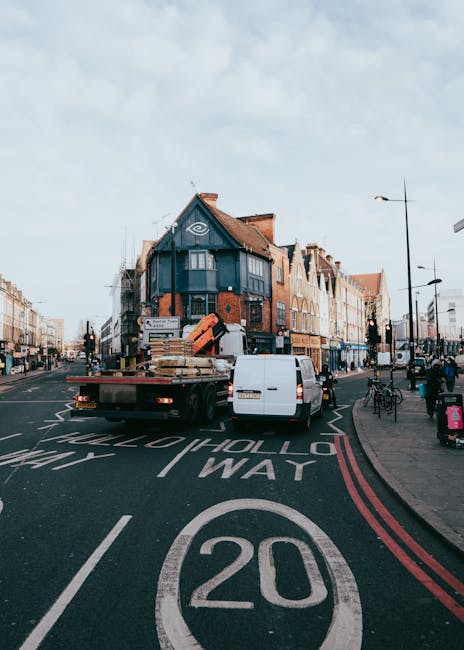
If you are planning a move in central London, the choice between a man with van service and DIY van hire can shape the whole day. In Charing Cross, where streets are busy, parking is awkward, and time disappears faster than you expect, that decision matters more than most people think. This guide breaks down Man with Van vs DIY Van Hire in Charing Cross: Compare in plain English, so you can choose the option that fits your budget, your timeline, and your patience. Because let's face it, moving is already enough of a faff without adding avoidable stress.
We will look at how each option works, where the hidden costs creep in, when a professional team is worth it, and how to avoid the classic mistakes people make on moving day. You will also get a practical checklist, a comparison table, and a realistic example from a Charing Cross-style move. No fluff. Just useful guidance you can actually use.
- Why the choice matters in Charing Cross
- How each moving option works
- Benefits and trade-offs
- Who each option suits best
- Step-by-step decision guide
- Expert tips for a smoother move
- Common mistakes to avoid
- Tools, resources and recommendations
- Law, compliance and best practice
- Comparison table
- Real-world example
- Practical checklist
- Conclusion
- Frequently asked questions
Why Man with Van vs DIY Van Hire in Charing Cross: Compare Matters
Charing Cross sits right in the middle of the action, which is brilliant for access and not so brilliant for moving a sofa down a narrow street at 8:30 in the morning. The area is full of traffic, tight loading opportunities, and the kind of stop-start movement that can turn a simple collection into a long, expensive day if you have not planned properly.
That is why this comparison is about more than just headline price. DIY van hire looks cheaper at first glance, but the real question is whether you are also taking on the driving, loading, route planning, parking risk, and heavy lifting. A man with van service shifts much of that responsibility to experienced movers, which can be a very sensible trade in a busy central London setting.
People often focus on the vehicle and forget the labour around it. Yet the labour is usually where the day gets hard. If you are moving out of a flat, collecting furniture, or shifting office equipment, the difference between help and no help can feel huge by lunchtime. To be fair, it is not just about convenience either. It is about avoiding damage, delays, and that slightly panicked moment when you realise the rental van is larger than the road space you have available.
For local residents, students, renters, homeowners, and small businesses, the right choice depends on the size of the move, how much lifting is involved, and how comfortable you are managing London traffic. If you need broader support, the site's removal services and home moves pages are useful starting points for understanding the wider moving picture.
How Man with Van vs DIY Van Hire in Charing Cross: Compare Works
The difference is simple at the surface level. With DIY van hire, you rent the van, collect it, drive it yourself, load and unload everything yourself, and return it on time. With a man with van service, you usually get the vehicle plus one or more people to help with lifting, carrying, and transport. In many cases, that means you are paying for a smoother process rather than just a vehicle.
Here is how each option typically unfolds.
DIY van hire workflow
- You choose a van size and rental period.
- You collect the van, often from outside the immediate area.
- You load everything yourself, or with friends and family.
- You drive through local traffic and handle parking.
- You unload at the destination and return the vehicle.
This can work well if you are confident behind the wheel, have a small load, and know exactly what needs moving. But it also means you are the driver, the loader, the route planner, and the one who has to worry about whether the van will actually fit where you need it. Not ideal if you are already juggling keys, boxes, and a building with awkward stairs.
Man with van workflow
- You request a quote based on what needs moving.
- The team arrives with the right vehicle and support.
- Items are loaded, secured, transported, and unloaded.
- You keep oversight without doing every heavy job yourself.
This tends to suit people who want a more hands-off move. It can be especially helpful in central London, where timing and parking can be more stressful than the packing itself. If you want an idea of how the broader service is framed, take a look at man and van support and the related man and van removals service.
The practical difference is that DIY van hire gives you control, but also gives you the workload. A man with van gives you assistance, but you are paying for convenience and experience. One is not automatically better. It depends on what kind of move you are actually doing, not the version you hope it will be.
Key Benefits and Practical Advantages
Both options have a place, and both can be smart in the right situation. The trick is knowing what each one does best.
Why people choose DIY van hire
- Lower upfront vehicle cost for very small moves.
- Full control over timing, loading order, and route choice.
- Useful for flexible plans when you know your move may change.
- Can work for light, self-managed jobs such as a few boxes or flat-pack furniture.
If you are moving a handful of items and have help on hand, hiring a van yourself may be enough. A quick collection, a short drive, and you are done. Easy in theory, anyway.
Why people choose a man with van service
- Less physical strain because lifting and carrying is shared.
- Better for awkward access such as stairwells, tight entrances, or busy roads.
- Time-saving because an experienced team knows how to load efficiently.
- Lower risk of damage when items are handled properly and secured in transit.
- Less stress for people moving on a deadline or after work hours.
In a place like Charing Cross, the time saved can be worth more than the vehicle cost difference. A short move can still become a long day if you have to circle for parking, carry heavy boxes across a busy street, and then return a van on time. That kind of day feels longer at 4 p.m. than it did at 9 a.m.
If you want a service specifically set up for larger, more structured moves, the site's removals, house removals, and office removals pages show how different move types can be handled with more support.
Who This Is For and When It Makes Sense
This choice is not really about whether you are "good at moving" or not. It is about the scale of the task and how much margin for error you have. A student moving a few boxes is in a very different position from a family shifting furniture, or a business relocating equipment before Monday morning.
DIY van hire makes sense when:
- You have a small load.
- You are comfortable driving a van in London traffic.
- You already have help for lifting.
- The route is simple and parking is manageable.
- You want the lowest possible spend and are willing to do the work yourself.
A man with van service makes sense when:
- You have bulky, heavy, or awkward items.
- You are moving from an upper floor or a building with limited access.
- You want to reduce the number of moving-day variables.
- You are on a tight schedule.
- You would rather not ask friends to spend their Saturday carrying wardrobes.
There is also a middle ground. Some people start with DIY assumptions and then realise the move is larger than expected. We have all seen it: a few boxes become three wardrobes, a desk, a bike, and "just one more chair" that nobody mentioned earlier. It happens all the time.
For business customers, commercial moves and office relocation services are often a better fit than trying to manage everything with a hired van and goodwill alone.
Step-by-Step Guidance
If you are still deciding, use this simple process. It keeps the decision practical instead of emotional. Because when a move starts to feel overwhelming, people tend to pick the cheapest option first and ask questions later. That rarely ends brilliantly.
1) List what is actually moving
Write down every large item first: beds, sofas, desks, wardrobes, appliances, mirrors, and anything fragile or awkward. Then count boxes. This helps you see whether the job is really "small" or just feels small in your head.
2) Measure access, not just possessions
Check stairs, lifts, narrow doorways, parking distance, and whether there is room to stop safely. In central London, access can be more important than item count. A single piano-shaped problem can make a van the wrong size very quickly.
3) Add the hidden jobs
Loading, unloading, disassembly, wrapping, and securing items all take time. If you do DIY van hire, those jobs are on your shoulders. If you book a service, some of that weight disappears from your day. Literally and mentally.
4) Compare the full cost, not just the rental headline
DIY van hire may look cheaper until you add fuel, insurance excess, congestion-related delays, extra rental hours, and the value of your own time. If you have to take a day off work, the comparison changes again. It really does.
5) Match the option to the move type
For small furniture pick-ups, a simple collection may be enough. For larger or mixed loads, a more supported move is usually calmer. If you are shifting one item or a few pieces, the furniture pick up service may be a neat fit. For those searching more broadly, removals near me can help frame the type of support needed.
Expert Tips for Better Results
A good move is rarely about heroics. It is usually about a few small decisions made early. Those decisions save your back, your budget, and maybe your temper too.
- Pack by room and label clearly. It sounds basic, but it stops chaos at the destination.
- Keep essentials separate. Keys, chargers, medication, documents, and a kettle if you are sensible.
- Use the right vehicle size. Too small means multiple trips. Too big can be hard to park or manoeuvre.
- Protect fragile items properly. Towels are fine for some things, but not everything deserves a casual wrap and hope.
- Check payment and booking terms in advance. Read the fine print before the moving day, not during it.
- Ask about insurance and safety. It is a simple question and a very sensible one.
One practical tip that often gets missed: try to move the least replaceable items first, not the easiest ones. If the lift breaks, the road closes, or it starts raining in that steady London way, you will be glad the most important things are already handled.
For added peace of mind, review the company's insurance and safety information, along with its health and safety policy. Those pages are useful signals that the service takes the job seriously, not just casually and with a shrug.
Common Mistakes to Avoid
Most moving problems are avoidable. That is the annoying part. They usually come from underestimating the load, the access, or the time involved.
- Choosing on price alone. The cheapest option is not always the cheapest once delays and extra labour are added.
- Underestimating loading time. A van can move fast. Human carrying speed is another matter.
- Forgetting parking realities. A bad parking plan can wreck the whole schedule.
- Not checking what is included. Some services include help with lifting, others do not.
- Overfilling the van. It is tempting, but overpacked loads are risky and stressful.
- Leaving packing until the last night. Midnight taping sessions always feel more dramatic than they need to be.
Another common slip: people hire a van and assume one trip will do the job. Then reality arrives with a sofa, three extra bags, and a desk that appeared out of nowhere. If in doubt, choose a little more capacity than you think you need. Just a bit more. That cushion helps.
Tools, Resources and Recommendations
You do not need a toolkit worthy of a trade van to make a move go well, but a few practical items help a lot. In our experience, simple is best.
Useful moving tools
- Strong tape and a label marker
- Sturdy boxes in mixed sizes
- Furniture blankets or old thick covers
- Straps for securing items inside the vehicle
- A basic trolley or sack truck for heavier loads
- Gloves with a decent grip
Useful planning resources on this site
- pricing and quotes if you want to compare costs properly
- payment and security if you want clarity on how booking is handled
- terms and conditions for the fine detail before you commit
- about us if you want a feel for the business behind the service
- contact us when you are ready to ask a few direct questions
For sustainability-minded moves, the recycling and sustainability page is also worth a look. Moving often creates more packaging waste than people expect, and it is nice to handle that responsibly where possible.
Law, Compliance, Standards, or Best Practice
This is not legal advice, but a few UK best-practice points are worth keeping in mind when comparing van hire and professional moving help.
First, drivers need to be properly licensed for the vehicle they are driving. That sounds obvious, but it is one of those details people forget when they are focused on boxes and batteries. If you hire a van yourself, the responsibility for making sure you are eligible sits with you.
Second, insurance matters. DIY van hire usually comes with a rental agreement, but you still need to understand what damage, excess, and exclusions apply. If you are moving valuable or fragile items, check what is covered and what is not. A quick read now is better than an awkward call later.
Third, safe loading is not just a nice-to-have. Overloaded or badly secured cargo can damage goods and create hazards on the road. A professional moving team is generally expected to load safely and transport items with care, which is part of why many people prefer the service in the first place.
Finally, if your move affects shared access, building rules, or neighbour parking, plan ahead. In central London, being considerate is not just polite; it can save you from a day of hassle. A good mover will usually understand this instinctively. DIY moves can do it too, of course, but you have to be more organised.
If you are planning a move that is more structured or sensitive, you may also find it useful to review removal company and removal companies pages for a broader sense of professional service levels.
Options, Methods, or Comparison Table
Here is the clearest side-by-side comparison. The best choice often becomes obvious once you strip away the noise.
| Factor | Man with Van | DIY Van Hire |
|---|---|---|
| Upfront cost | Usually higher than hiring a vehicle alone | Often lower at the booking stage |
| Physical effort | Shared with the moving team | Mostly down to you and your helpers |
| Driving responsibility | Handled by the service provider | Handled by you |
| Parking and route stress | Reduced | Fully yours to manage |
| Speed for bulky moves | Often faster and smoother | Can be slow if loading is awkward |
| Best for | Furniture moves, flats, offices, mixed loads | Light loads, short trips, highly budget-led moves |
| Risk of damage | Usually lower with experienced handling | Higher if loading is rushed or improvised |
| Stress level | Lower for most people | Higher, especially in busy areas |
The short version? If the job is small and simple, DIY van hire can be economical. If the job is messy, bulky, time-sensitive, or physically demanding, a man with van service is often the better-value choice even if the invoice looks a little bigger at first. Value is not always the same as price.
Case Study or Real-World Example
Imagine a couple moving from a second-floor flat near Charing Cross with a double mattress, a dismantled bed frame, a desk, four boxes of books, and a small dining set. Nothing outrageous, but enough to make your arms complain by 11 a.m.
With DIY van hire, they collect the van early, spend time adjusting mirrors, then find parking near the building is tighter than expected. The loading takes longer because the mattress is awkward and the stairs are narrow. By the time everything is in the van, they are already tired, and they still have to drive through central traffic, unload, and return the vehicle on time. It is doable, yes. But it is a long day.
Now imagine the same move with a man with van service. The team arrives, helps carry items carefully, secures the load properly, and handles the transport while the couple keeps an eye on the process. They still need to be organised, of course, but the hardest parts are no longer falling entirely on them. That changes the whole mood of the day. Less rushing. Fewer arguments. Fewer mysterious sore muscles the next morning.
That is the real value difference in a place like Charing Cross. Not just the vehicle, but the emotional cost of the move. People overlook that all the time.
Practical Checklist
Use this quick checklist before you decide. It is simple, but it catches the mistakes that trip people up.
- List every item that needs moving.
- Measure large furniture and check doorways or lifts.
- Estimate how many boxes you will have.
- Decide whether you have enough help for lifting.
- Check whether you are comfortable driving a van in central London.
- Think about parking, access, and loading distance.
- Compare the full cost, not just the vehicle price.
- Review insurance, safety, and payment details.
- Choose a service that matches the size and stress level of the move.
- Pack essentials separately so the first night is easier.
If you are still unsure after this checklist, that itself is useful information. It usually means the move is complicated enough that extra help may be worth it.
Get a free quote today and see how much you can save.
Conclusion
When you compare a man with van service with DIY van hire in Charing Cross, the real question is not simply which costs less at the checkout. It is which option gives you the right balance of effort, control, and peace of mind for the move you are actually doing.
DIY van hire can work well for lighter, simpler jobs where you have help and time on your side. A man with van service usually makes more sense when access is awkward, the load is heavy, or you would rather arrive at the other end with your back intact and your nerves still steady. In a busy central London area, that extra support often pays for itself in convenience alone.
If you want a more structured, calmer moving day, start with the service pages that match your situation and compare them against the realities of your move. You do not need to overcomplicate it. Just be honest about the work involved, and choose the option that makes the day feel manageable. That is the real win.
Frequently Asked Questions
Is a man with van cheaper than DIY van hire?
Not always on the face of it. DIY van hire often looks cheaper at first, but once you add fuel, time, parking stress, and your own labour, the gap can narrow. For heavier or more awkward moves, a man with van service can offer better value overall.
What is the main difference between man with van and DIY van hire?
The main difference is who does the work. With DIY van hire, you handle the driving, loading, and unloading. With a man with van service, you pay for transport plus moving help, which can save a lot of effort.
Is DIY van hire a good idea in Charing Cross?
It can be, but only for small and simple moves. Charing Cross is busy, so if your route, parking, or access is awkward, DIY can become more stressful than expected.
When should I choose a man with van service instead?
Choose it when you have bulky furniture, stairs, limited parking, a tight deadline, or you simply do not want to handle heavy lifting yourself. That is usually the point where the service earns its keep.
Do I need help loading if I hire a van myself?
Yes, in most cases you will need help unless the load is very small. A van is only part of the job; getting items in and out safely is the other half.
How do I know what van size I need?
Start by listing the largest items first, then count boxes and measure access. If you are unsure, it is often safer to choose a little more capacity than you think you need.
Are man with van services suitable for office moves?
Yes, especially for smaller office relocations, equipment moves, and partial moves. For larger business relocations, a more structured service such as office removals or commercial moves may be more appropriate.
What should I check before hiring a van myself?
Check licence requirements, insurance cover, excess charges, fuel policy, mileage limits, and whether you are comfortable driving a larger vehicle in London traffic. Those details matter more than people expect.
Is a man with van service safer for fragile items?
Usually yes, because experienced movers know how to load and secure fragile pieces more carefully. That said, you should still pack items properly and point out anything delicate before the move starts.
Can I use a man with van for just one item?
Yes. In fact, it can be a very sensible option for single-item pick-ups if the item is heavy, awkward, or too large for your car. The furniture pick up page is a relevant place to start.
What is the biggest mistake people make when comparing these options?
The biggest mistake is comparing only the booking price. The real comparison should include time, labour, parking, risk, and how much stress you are willing to carry on moving day. That is where the true difference shows up.
Where can I find more information before booking?
Useful next steps include checking pricing and quotes, insurance and safety, and terms and conditions. If you want to ask about your specific move, use the contact us page.